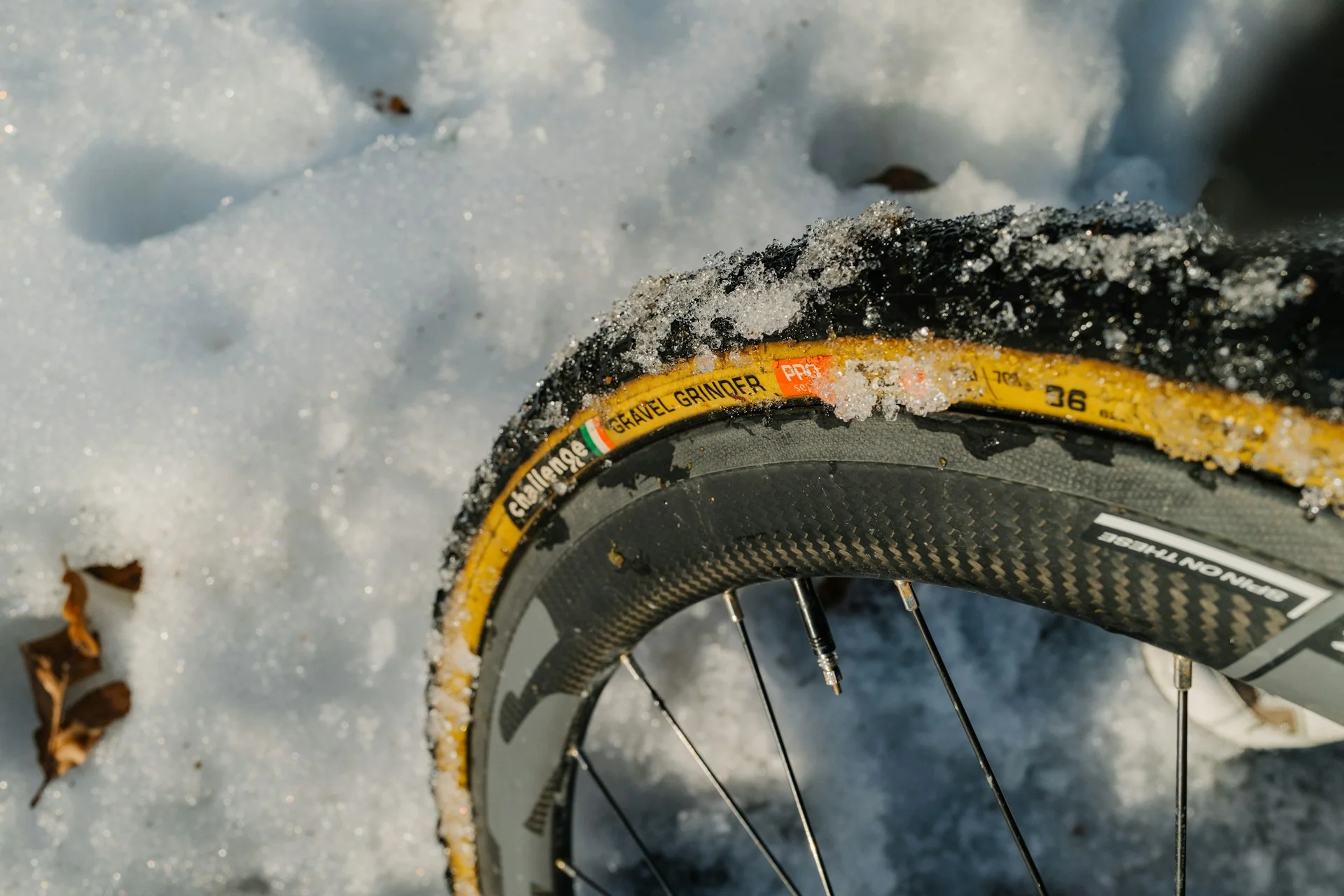
Tubeless vs. Clincher: Are You at Risk of a Blow-off?
The Big Question: In our latest Tech Q&A, we tackle a common fear among cyclists considering the switch: Is a tubeless tyre more likely to suffer a catastrophic blow-off than a traditional clincher tyre with a tube?
The Expert Verdict: The Opposite is True
According to Simon von Bromley, Senior Technical Writer at BikeRadar, the fear is largely misplaced. In fact, tubeless systems are generally safer and more secure than their tubed counterparts.
The secret weapon is the sealant. While its primary job is to plug punctures, it also acts as an adhesive. As the sealant dries, it effectively glues the tyre bead to the rim hook.
Why it matters: Anyone who has ever tried to remove a well-seated tubeless tyre knows how strong this bond can be. Because of this “glued” effect, even if you suffer a sudden deflation, a tubeless tyre is far more likely to stay seated on the rim compared to a standard clincher.
What Actually Causes Blow-offs?
While modern engineering has made spontaneous blow-offs extremely rare for both system types, failures can still happen. However, the technology isn’t usually to blame. Most incidents are caused by:
- Incorrect Installation: The bead not being properly seated during setup.
- Incompatibility: Running a tyre and rim combination that isn’t designed to work together (e.g., hookless rims with incompatible tyres).
- User Error: Severe under-inflation or over-inflation beyond the manufacturer’s limit.
The Bottom Line: Don’t let the fear of blow-offs stop you. With a correct setup, tubeless is not only a performance upgrade but arguably a safety upgrade too.
发表回复