The Essential Guide to Bicycle Brake Cables
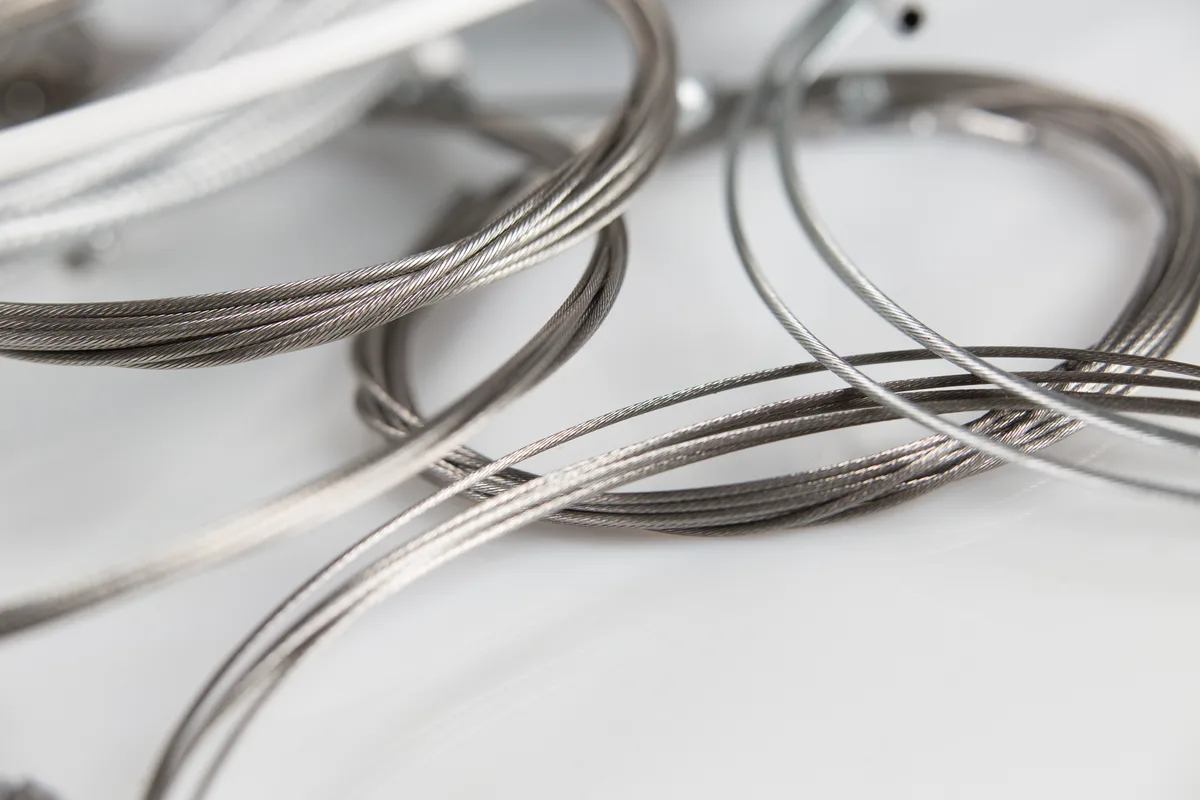
Brake cables are the lifeline of mechanical braking systems found on road bikes, mountain bikes (MTB), and BMX bikes. A standard cable system consists of two critical components: the inner wire (typically made from stainless or galvanized steel) and the protective outer housing. Over time, friction and tension cause these cables to stretch, fray, or corrode, making regular replacement essential for rider safety.
Universal Compatibility
One of the advantages of mechanical brake cables is their versatility. The same cable technology is interchangeable between different bike types, whether you are running:
- Rim Brakes: Including Caliper, Cantilever, and V-Brakes.
- Disc Brakes: specifically mechanical (non-hydraulic) disc systems.
⚠️ Critical Safety Note: Brake vs. Gear Housing
Although they look similar, brake housing and gear (shifter) housing are NOT interchangeable.
Gear housing is designed for compression resistance to maintain shifting index accuracy, while brake housing is built to withstand the high bursting force of braking. Never use gear housing for brakes, as the high tension can cause the housing to rupture, leading to sudden brake failure.
Buying & Installation Tips
When purchasing, you typically have two options:
- Inner Wire Only: Ideal for quick repairs if your housing is still in good condition.
- Complete Cable Kits: Includes two inner wires (approx. 1.5mm – 1.6mm thick) and a length of outer housing. This is recommended for full maintenance.
Pro Tip for Cutting: When installing, use your old cable housing as a template to cut the new housing to the exact length required for your frame’s cable stops. Always ensure a clean, square cut to prevent friction and ensure smooth lever action.
Why Upgrade?
While basic cables perform the essential function, investing in higher-end cables (such as Stainless Steel or Teflon-coated) is a cost-effective way to improve performance. Premium cables offer superior corrosion resistance and lower friction, resulting in lighter lever action and more responsive braking power.
发表回复