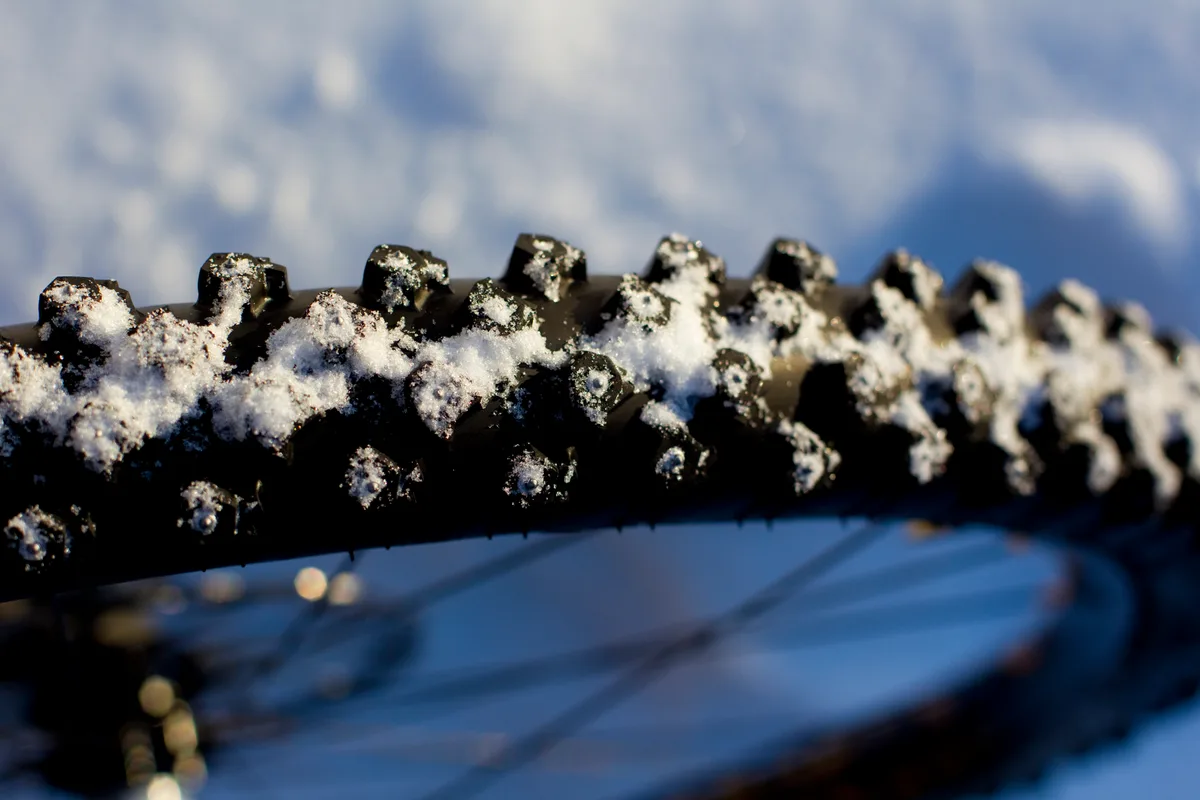
Studded Bike Tyres: Essential Winter Gear or Overkill?
Riding on snow and ice can be treacherous. Studded tyres offer the ultimate solution for winter control by embedding metal spikes—often tipped with durable tungsten carbide—directly into the tread. These studs act like claws, penetrating the ice to provide traction that standard rubber simply cannot match.
The Pros and Cons
The Advantages: The primary benefit is safety. For daily commuters and winter adventurers, studded tyres provide unmatched grip on icy surfaces, significantly reducing the risk of dangerous slips.
The Trade-offs: Performance comes at a price. The added metal increases weight, making acceleration feel slightly sluggish. They are also noisier on asphalt (often described as sounding like a “tank”), are more expensive than standard tyres, and typically require a 40km “break-in” period on asphalt to seat the studs properly.
Usage Tips for Maximum Grip
- Can I ride on asphalt? Yes. While noisy, they handle mixed terrain well. However, check local regulations, as some regions restrict them on high-speed e-bikes to prevent road damage.
- What tire pressure is best? Lower is better. A lower pressure increases the contact patch, allowing more studs to bite into the ice simultaneously for maximum stability.
The Verdict: Do You Need Them?
If you live in a region where ice and hard-packed snow persist for weeks or months, studded tyres are a non-negotiable safety investment. However, for temperate climates with only occasional frosty mornings, standard winter tyres may be a more efficient, lightweight, and cost-effective choice.

发表回复