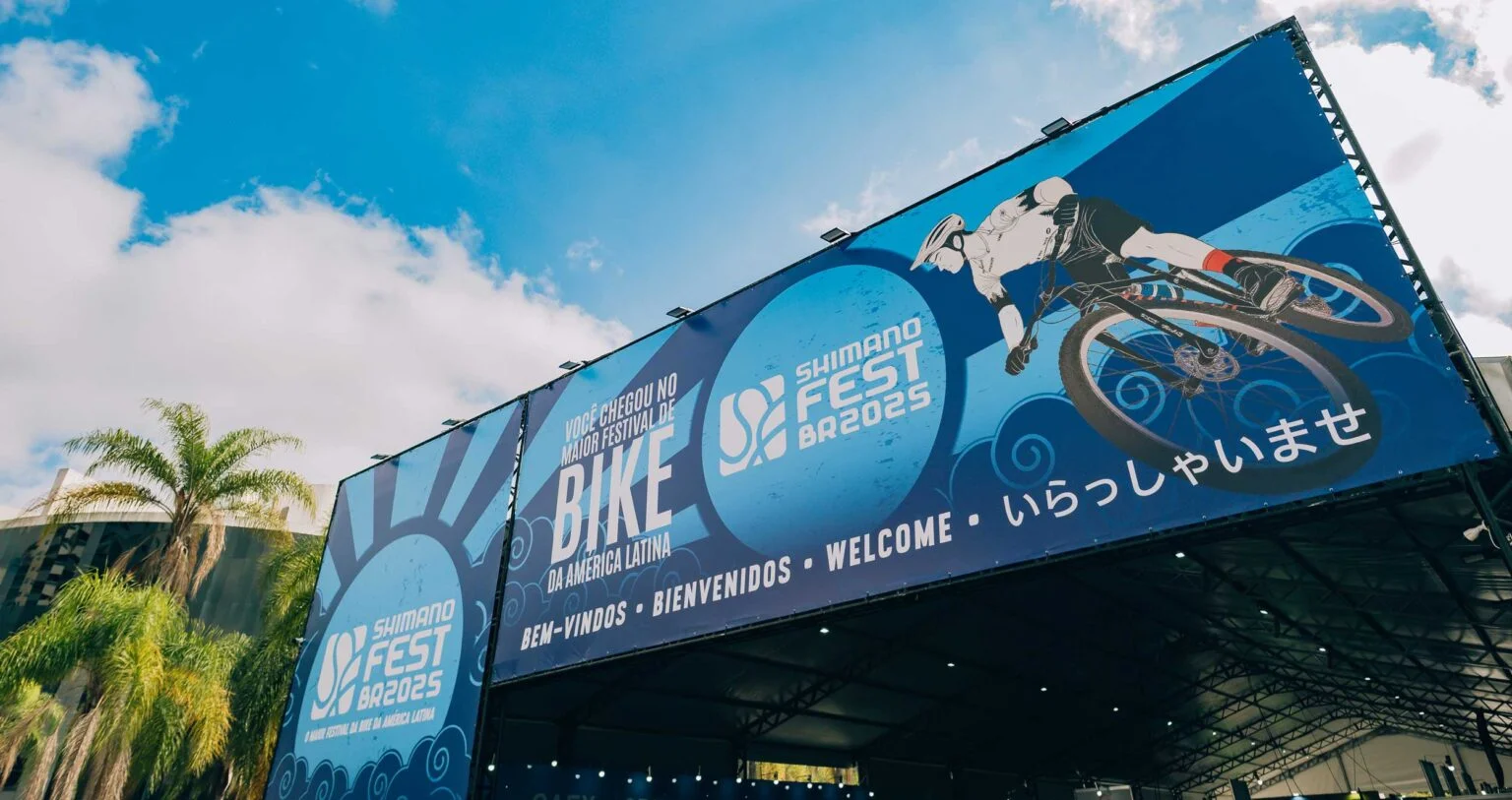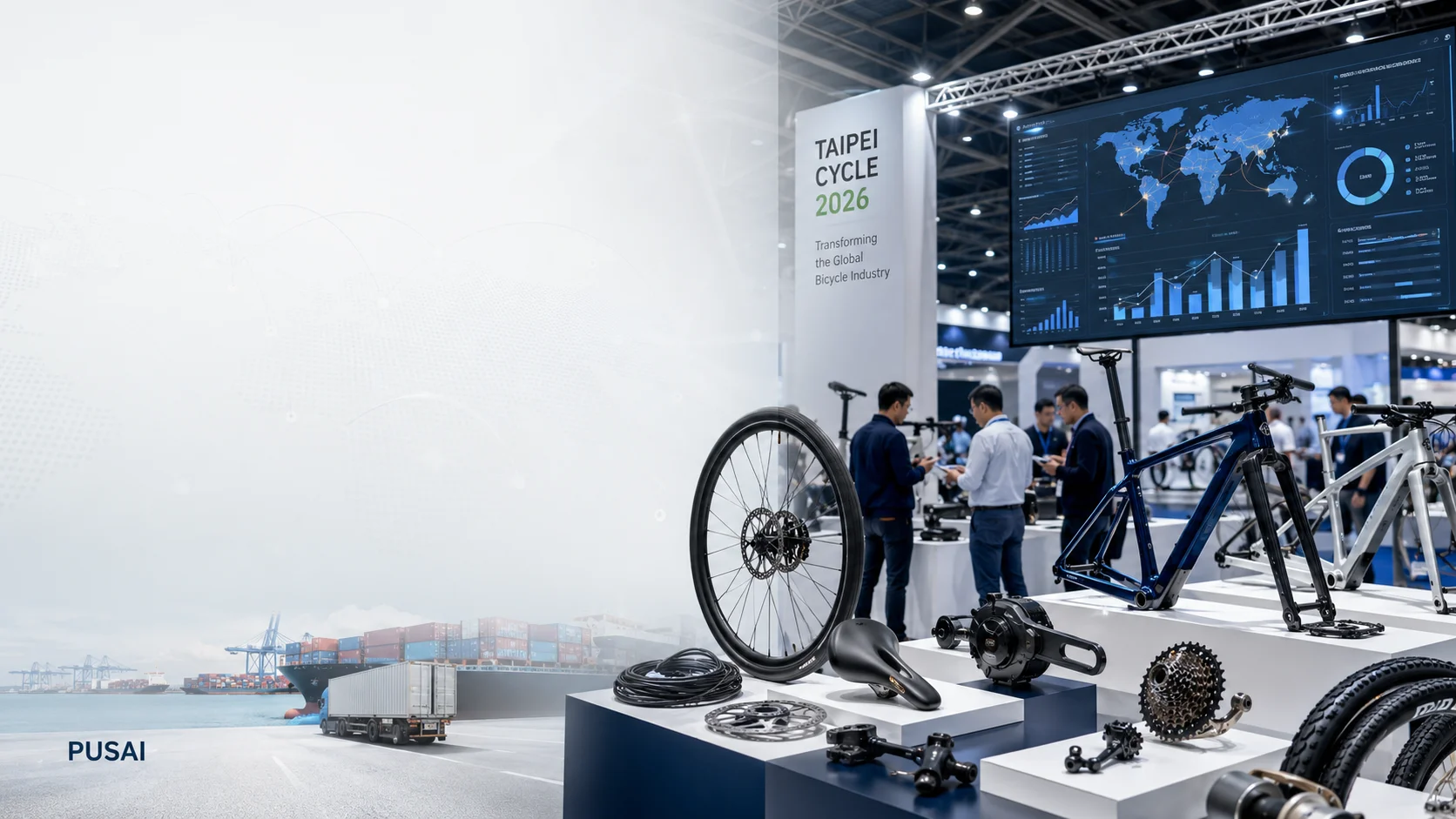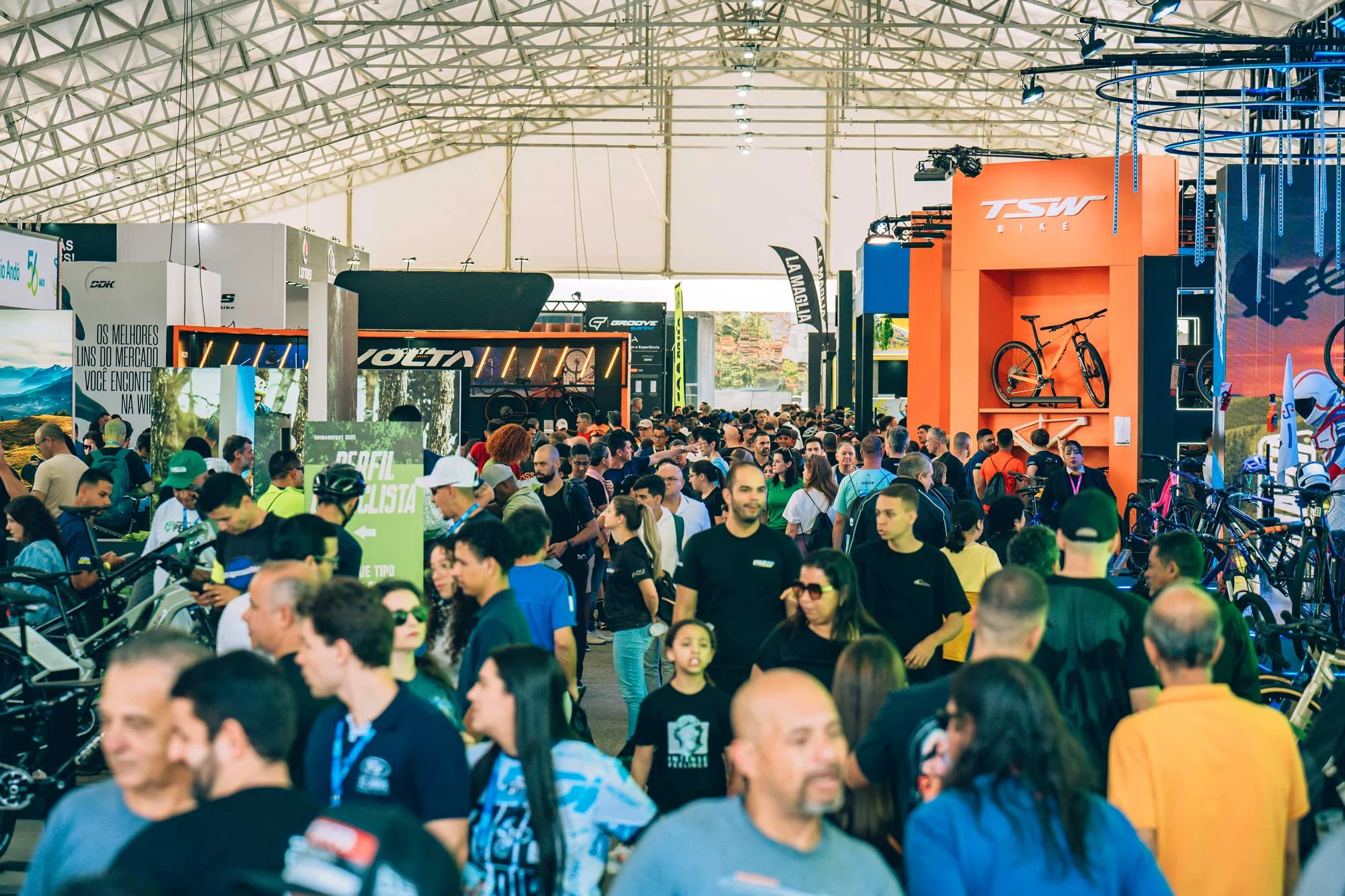
A Shimano Fest 2026 acontece de 20 a 23 de agosto, no Memorial da América Latina, em São Paulo, reunindo indústria, canais profissionais, cultura do ciclismo e consumidores em um dos eventos mais importantes do setor de bicicletas na América Latina.
Para a PUSAI, acompanhar a Shimano Fest vai muito além de observar lançamentos de bicicletas ou novidades de grandes marcas. Como fornecedora profissional de peças para bicicletas, vemos o evento como uma oportunidade para entender melhor a evolução do mercado brasileiro — do mountain bike e das bicicletas elétricas ao varejo, manutenção, reposição de peças e distribuição.
O Brasil combina uma ampla rede de lojas e oficinas, forte presença do MTB, crescimento das bicicletas elétricas e participação relevante de componentes importados. Esses fatores tornam o país um mercado especialmente interessante para a indústria global de peças e componentes para bicicletas.
Ponto principal: A Shimano Fest 2026 mostra um mercado brasileiro de bicicletas diversificado, no qual MTB, bicicletas elétricas, bicicletas de uso diário, varejo, manutenção e peças de reposição continuam criando diferentes tipos de demanda.
1. A Shimano Fest é muito mais do que um festival de bicicletas
A Shimano Fest se apresenta como a maior feira de negócios do setor de bicicletas do Brasil e um dos maiores festivais de cultura da bicicleta da América Latina.
Uma das características mais interessantes do evento é justamente a conexão entre o mercado profissional e o consumidor final.
Os dias 20 e 21 de agosto são dedicados aos profissionais do setor, enquanto os dias 22 e 23 são abertos ao público no Festival da Bike.
Durante os dias profissionais, o evento reúne fabricantes, marcas, distribuidores, lojistas, importadores, empresas de acessórios, oficinas, profissionais técnicos e outros participantes da cadeia da bicicleta.
Para 2026, a Shimano Latin America informou a presença de mais de 120 expositores e aproximadamente 350 marcas representadas. A organização prevê mais de 50 mil visitantes durante os quatro dias e uma movimentação superior a R$ 76 milhões em negócios.
Como a Shimano Fest 2026 ainda está em andamento no momento da publicação deste artigo, esses números de público e negócios representam projeções da organização, e não os resultados finais do evento.
| Shimano Fest 2026 | Estrutura do evento | Relevância para o mercado |
|---|---|---|
| 20–21 de agosto | Dias profissionais | Marcas, fabricantes, distribuidores, lojistas e profissionais do setor |
| 22–23 de agosto | Festival aberto ao público | Tendências de consumo, cultura ciclística e experiência de produto |
| Mais de 120 expositores | Cerca de 350 marcas | Visão ampla do ecossistema brasileiro da bicicleta |
2. O Brasil possui uma ampla rede de lojas, oficinas e serviços
Um dos fatores que tornam o mercado brasileiro interessante é o tamanho da sua rede de varejo e serviços relacionados à bicicleta.
De acordo com a Aliança Bike, o Brasil possui aproximadamente 12.300 estabelecimentos ligados à venda de bicicletas, peças, acessórios, manutenção e serviços.
Mais de 40% desses estabelecimentos estão concentrados na região Sudeste, enquanto o estado de São Paulo representa sozinho cerca de 24% do total nacional.
Isso mostra que o mercado brasileiro não depende apenas de grandes fabricantes ou marcas nacionais. Distribuidores regionais, lojas de bicicletas, oficinas e varejistas especializados também fazem parte de uma extensa cadeia comercial.
No caso das peças para bicicletas, essa estrutura é particularmente importante, porque a necessidade de manutenção e reposição continua durante toda a vida útil da bicicleta.
Nossa visão de mercado: O Brasil não deve ser analisado apenas pelo volume de bicicletas novas. Sua extensa rede de distribuidores, lojas e oficinas também mantém uma demanda contínua por componentes e peças de reposição.
3. O mountain bike continua no centro do mercado brasileiro
O mountain bike continua sendo uma das características mais marcantes do mercado brasileiro de bicicletas.
Segundo a Pesquisa Anual de Comércio Varejista 2026 da Aliança Bike, bicicletas MTB são comercializadas por 80% das lojas participantes da pesquisa, tornando-se a categoria de bicicleta com maior presença entre os estabelecimentos analisados.
E o MTB brasileiro não se resume às bicicletas de competição de alto nível.
O mercado também inclui bicicletas recreativas, modelos de entrada, bicicletas para uso diário e uma grande variedade de produtos intermediários.
Essa diversidade gera demanda por diferentes tipos de componentes, como sistemas de freio, cabos, pneus, câmaras de ar, pedais, selins, guidões, componentes de transmissão, peças para rodas e diversos itens de reposição.
Do nosso ponto de vista como fornecedora de peças para bicicletas, essa é uma das razões pelas quais os componentes relacionados ao MTB continuam sendo especialmente relevantes no Brasil e em outros mercados da América Latina.
4. As bicicletas elétricas estão chegando a mais lojas brasileiras
Outro sinal importante é o crescimento da presença das bicicletas elétricas no varejo brasileiro.
A pesquisa da Aliança Bike mostra que a proporção de lojas que comercializam bicicletas elétricas passou de 47% para 54% entre 2024 e 2025.
Isso significa que a bicicleta elétrica já não está restrita a um pequeno nicho especializado. Mais da metade das lojas representadas na pesquisa já trabalhava com essa categoria.
Esse crescimento também pode influenciar a procura por peças tradicionais.
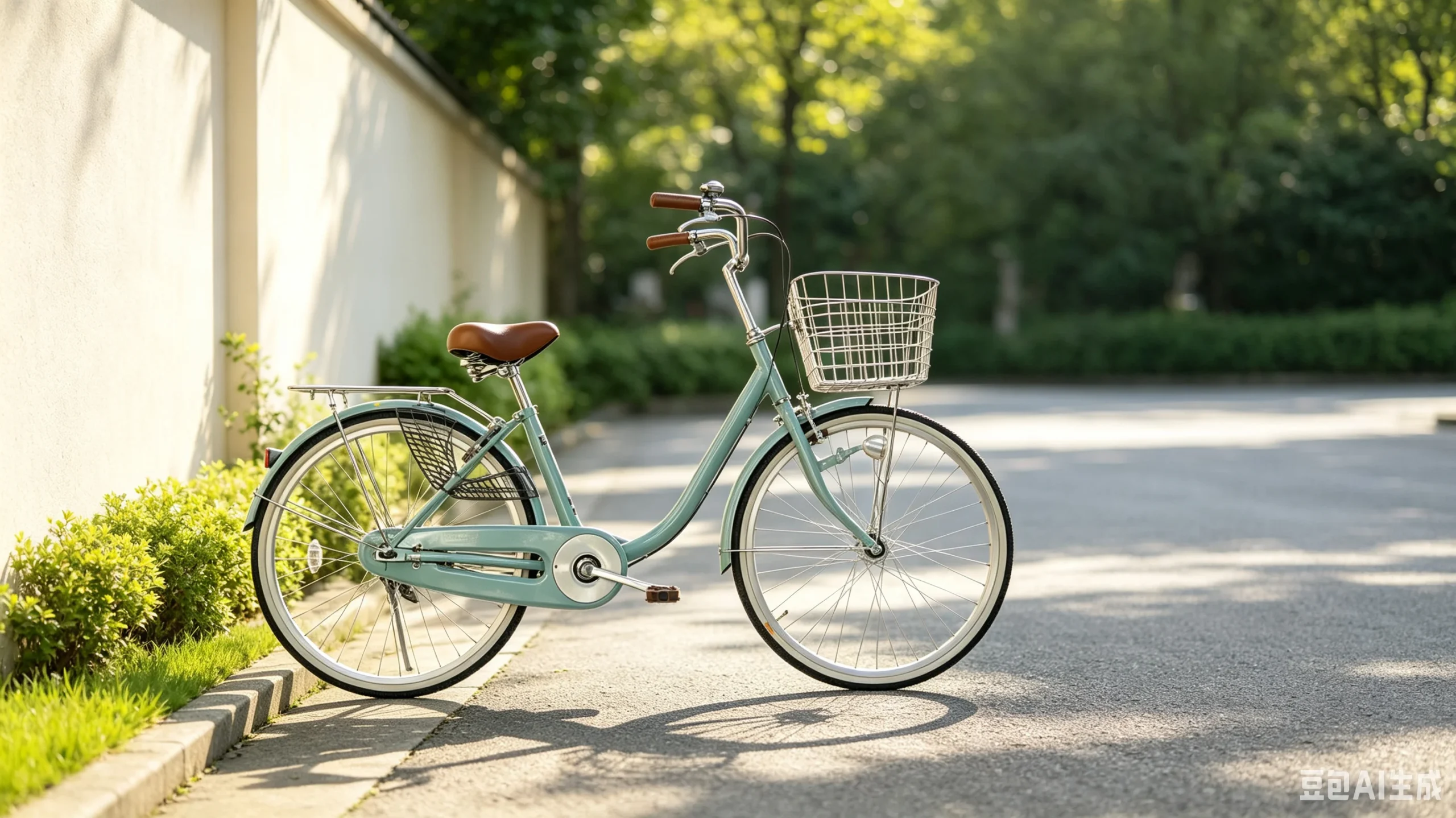
Maior peso da bicicleta, deslocamentos urbanos mais frequentes, distâncias maiores e diferentes condições de uso aumentam a importância de itens como freios, pneus, iluminação, selins confortáveis, cadeados, bagageiros, cestas e outros acessórios funcionais.
Por isso, o crescimento das bicicletas elétricas também é relevante para empresas de componentes que não produzem motores ou baterias.
| Sinal de mercado | Dados do mercado brasileiro | Demanda relacionada |
|---|---|---|
| Mountain Bike | Presente em 80% das lojas pesquisadas | Freios, cabos, pneus, câmaras, pedais, selins e transmissão |
| Bicicletas elétricas | Presença nas lojas passou de 47% para 54% | Freios, pneus, iluminação, selins, cadeados e acessórios urbanos |
| Bicicletas de uso diário | Modelos de menor preço continuam relevantes para o faturamento das lojas | Peças práticas, duráveis e de ampla compatibilidade |
| Manutenção | Serviços mecânicos são importantes principalmente para lojas menores | Componentes de reposição frequente e produtos para oficinas |
5. O mercado de reposição é tão importante quanto as novas tendências
Novas tecnologias naturalmente recebem bastante atenção em eventos como a Shimano Fest.
Bicicletas elétricas, MTB de alta performance, novos componentes e equipamentos avançados fazem parte da exposição e ajudam a mostrar os rumos da indústria.
Mas o mercado brasileiro também depende de milhões de bicicletas utilizadas diariamente e das empresas responsáveis por mantê-las funcionando.
A pesquisa da Aliança Bike indica que bicicletas de menor preço tendem a representar uma parcela importante do faturamento das lojas. Ao mesmo tempo, serviços de mecânica e manutenção têm peso especialmente relevante para os estabelecimentos menores.
Esse cenário ajuda a explicar por que as peças de reposição continuam importantes mesmo quando o mercado está discutindo novas tecnologias.
Cabos de freio, cabos de câmbio, componentes de freio, pneus, câmaras de ar, pedais, selins e outras peças de uso frequente atendem a uma necessidade prática e contínua.
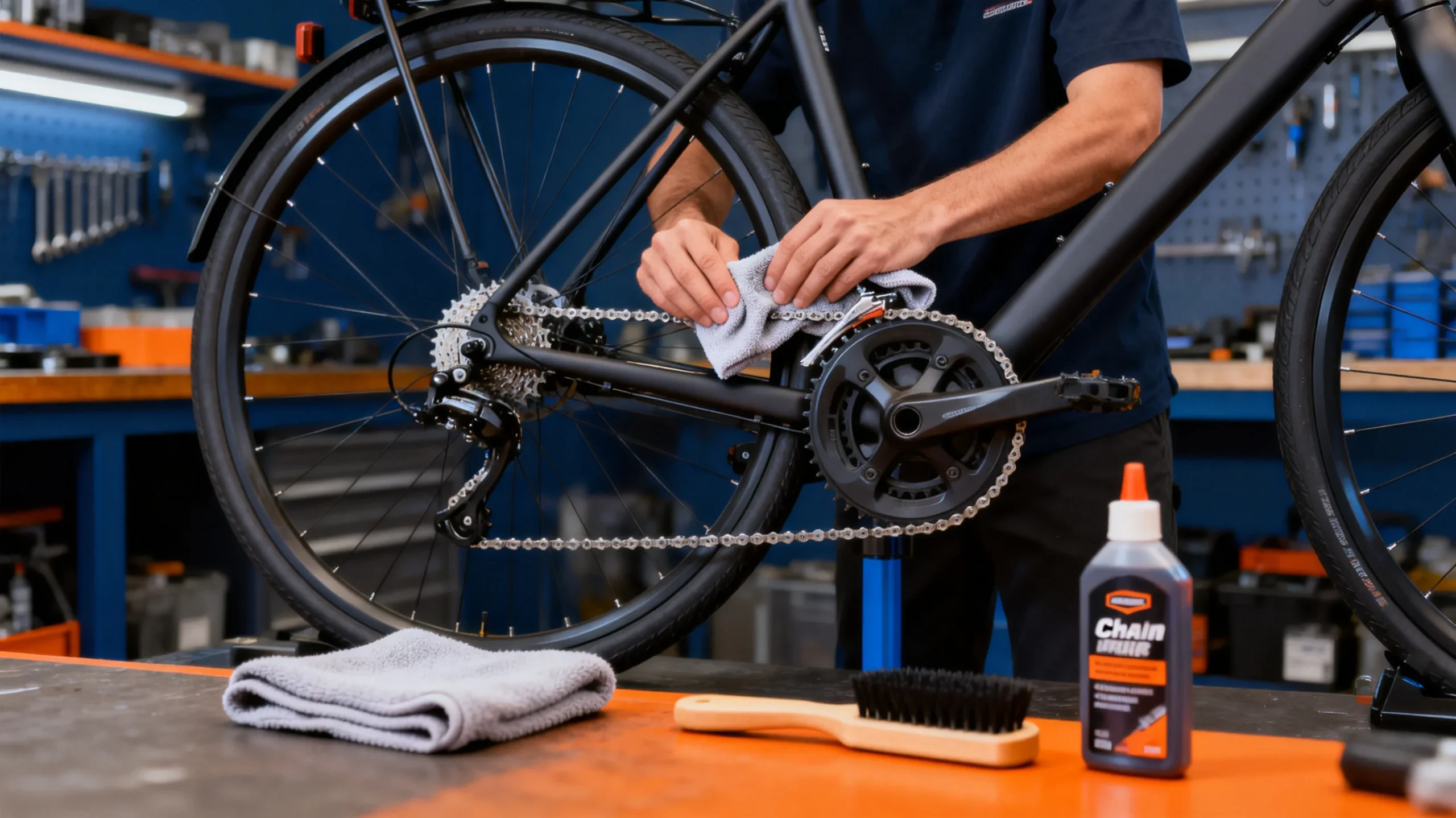
São produtos que permanecem necessários muito depois da venda da bicicleta nova e conectam fabricantes de componentes diretamente a distribuidores, varejistas e oficinas.
Demanda de longo prazo: Uma bicicleta pode permanecer em uso durante muitos anos. Enquanto estiver sendo utilizada, continuará precisando de manutenção, ajustes e peças de reposição.
6. Os componentes importados continuam essenciais para a indústria brasileira
O Brasil possui fabricantes de bicicletas, marcas nacionais e uma base industrial própria, mas o fornecimento internacional continua desempenhando um papel importante no mercado.
De acordo com o Boletim Técnico de Importação e Exportação de Bicicletas e Componentes 2026, publicado pela Aliança Bike, as importações brasileiras de componentes para bicicletas cresceram aproximadamente US$ 17,6 milhões em 2025 em comparação com o ano anterior.
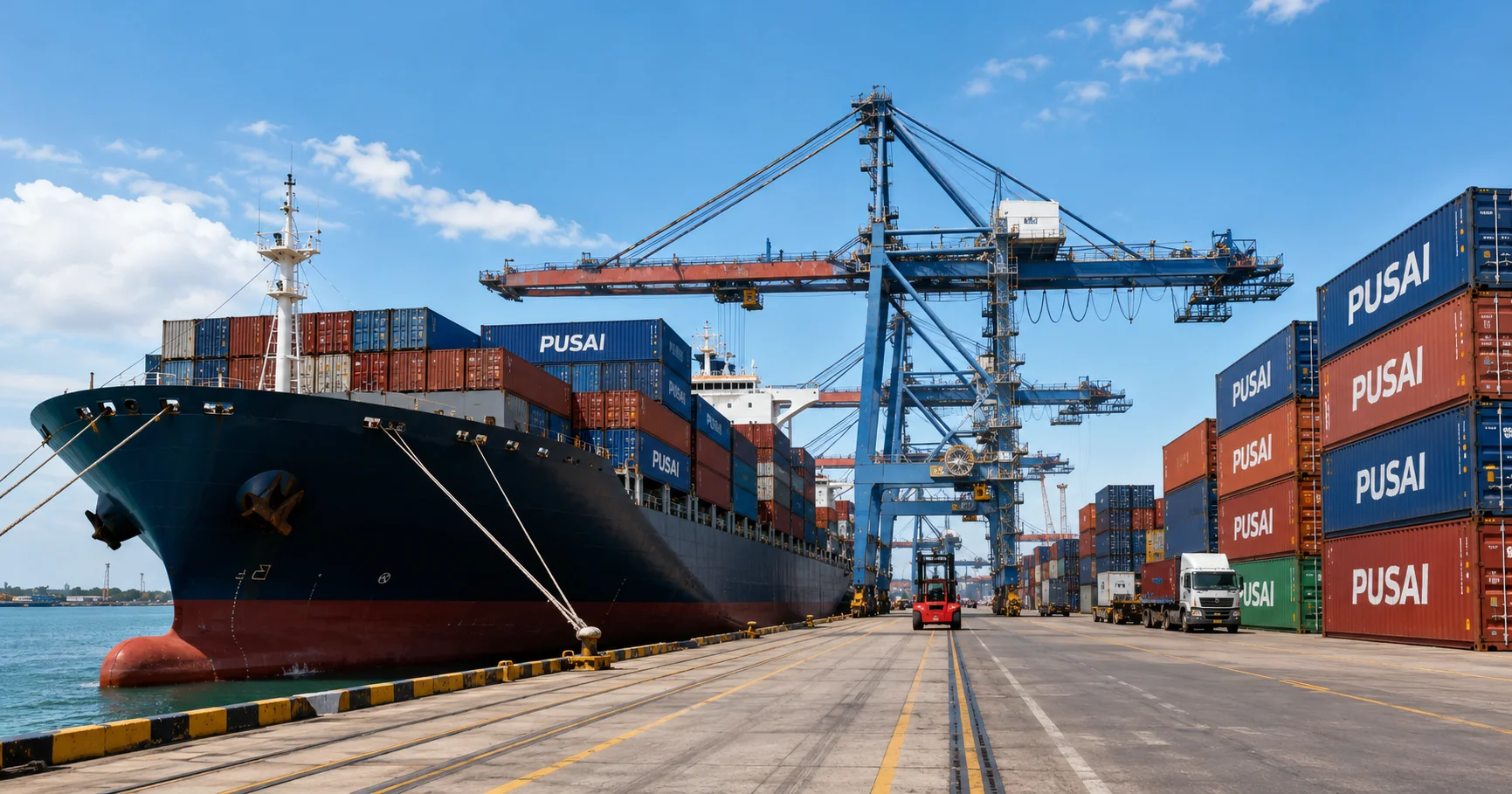
Os componentes importados representaram 91% do valor total movimentado pela indústria brasileira da bicicleta em operações de comércio internacional durante 2025.
Esse é um sinal importante sobre a estrutura do mercado.
Mesmo com produção local, marcas nacionais e uma grande rede comercial, os componentes internacionais continuam profundamente integrados à cadeia de abastecimento brasileira.
Para a PUSAI, essa é uma das razões pelas quais continuamos acompanhando de perto o Brasil e a América Latina.
Importadores, distribuidores, atacadistas, fabricantes e marcas de bicicletas desempenham um papel fundamental ao conectar componentes produzidos internacionalmente com a demanda do mercado local.
Sinal do mercado: Produção nacional e importação de componentes não são tendências opostas. No mercado brasileiro de bicicletas, ambas fazem parte de uma mesma cadeia de fornecimento.
7. Cada canal possui necessidades diferentes de peças para bicicletas
Um dos aspectos mais interessantes da Shimano Fest é reunir diferentes níveis do mercado em um mesmo ambiente.
Fabricantes, importadores, distribuidores, lojistas, oficinas e consumidores podem observar os mesmos produtos sob perspectivas completamente diferentes.
Para o mercado de peças, isso cria diferentes tipos de demanda.
| Canal de mercado | Necessidade principal | Foco em peças |
|---|---|---|
| Marcas e montadoras | Especificações estáveis e fornecimento consistente | Componentes OEM e peças específicas para cada modelo |
| Importadores e distribuidores | Variedade, preço e continuidade de fornecimento | Categorias amplas de peças de uso frequente |
| Lojas de bicicletas | Especificações claras e produtos adequados ao varejo | Pneus, selins, pedais, freios e acessórios |
| Oficinas e assistência técnica | Compatibilidade, disponibilidade e facilidade de reposição | Cabos, freios, pneus, câmaras e peças de troca frequente |
8. O que a Shimano Fest 2026 mostra sobre a demanda brasileira por peças
O Brasil não é um mercado definido por apenas uma categoria de bicicleta.
O MTB continua extremamente relevante. As bicicletas elétricas estão presentes em cada vez mais lojas. Bicicletas acessíveis ainda representam uma parte importante do varejo. Serviços de manutenção continuam fazendo parte da rotina das lojas, enquanto os componentes importados ocupam uma posição importante no comércio internacional do setor.
Esses fatores apontam para um mercado de peças bastante diversificado.
Bicicletas de alto desempenho precisam de componentes específicos. Bicicletas de uso diário precisam de peças práticas e duráveis. Lojistas precisam de produtos fáceis de identificar e comercializar. Oficinas dependem de componentes comuns, disponíveis de forma contínua e compatíveis com bicicletas que já estão em circulação.
Essa combinação entre ciclismo esportivo, mobilidade e demanda prática do dia a dia é uma das características que tornam o mercado brasileiro especialmente interessante para nós.
9. Por que o Brasil continua sendo um mercado importante para a PUSAI
A Shimano Fest 2026 mostra a amplitude do ecossistema brasileiro da bicicleta.
O mercado conecta produção de bicicletas, fornecimento internacional, distribuição, varejo especializado, oficinas, ciclismo esportivo, mobilidade urbana e milhões de usuários.
Para a PUSAI, o Brasil e a América Latina continuam sendo mercados importantes porque muitas dessas necessidades estão diretamente relacionadas ao nosso negócio de peças para bicicletas.
Nosso interesse não está limitado a acompanhar uma única tendência ou uma categoria de produto de curto prazo.
O que observamos é uma demanda de longo prazo criada por bicicletas que precisam ser montadas, comercializadas, utilizadas, mantidas, reparadas e atualizadas todos os dias.
Para importadores, distribuidores, atacadistas e marcas de bicicletas, especificações confiáveis, qualidade consistente e estabilidade de fornecimento continuam sendo elementos fundamentais de uma parceria B2B de longo prazo.
Conclusão
A Shimano Fest 2026 é muito mais do que uma vitrine de novas bicicletas e tecnologias.
O evento também oferece uma visão de como diferentes partes do mercado brasileiro se conectam.
O MTB continua profundamente estabelecido. As bicicletas elétricas estão ganhando espaço. O Brasil possui milhares de lojas, oficinas e empresas relacionadas ao setor. A manutenção e a reposição continuam gerando demanda paralelamente à venda de bicicletas novas, enquanto os componentes importados permanecem relevantes para a cadeia de fornecimento.
Para a PUSAI, esses sinais reforçam a importância de continuar entendendo o mercado brasileiro e latino-americano, assim como as diferentes necessidades de marcas, importadores, distribuidores, atacadistas e lojistas.
As tecnologias e tendências do ciclismo continuarão mudando, mas bicicletas sempre precisarão de componentes, manutenção e reposição. Por isso, confiabilidade do produto e continuidade de fornecimento continuam tão importantes quanto qualquer novo lançamento.
Procura peças para bicicletas para o mercado brasileiro ou latino-americano?
A PUSAI fornece componentes e peças de reposição para compradores B2B, incluindo selins, cabos de freio, cabos de câmbio, pneus, câmaras de ar, pedais, cestas e outras peças de uso frequente. Trabalhamos com importadores, distribuidores, atacadistas e marcas de bicicletas em mercados internacionais.
Perguntas frequentes
O que é a Shimano Fest 2026?
A Shimano Fest é a maior feira de negócios do setor de bicicletas do Brasil e um dos principais eventos de cultura da bicicleta da América Latina. A edição de 2026 acontece de 20 a 23 de agosto, no Memorial da América Latina, em São Paulo.
A Shimano Fest é uma feira B2B?
Sim. Os dias 20 e 21 de agosto são dedicados aos profissionais do setor de bicicletas. Nos dias 22 e 23, o evento é aberto ao público durante o Festival da Bike.
Qual é a importância do mountain bike no Brasil?
Segundo a Pesquisa Anual de Comércio Varejista 2026 da Aliança Bike, bicicletas MTB são vendidas por 80% das lojas pesquisadas, sendo a categoria com maior presença entre os estabelecimentos participantes.
As bicicletas elétricas estão crescendo no Brasil?
Sim. A proporção de lojas pesquisadas que comercializam bicicletas elétricas aumentou de 47% para 54% entre 2024 e 2025, indicando maior presença da categoria no varejo brasileiro.
O Brasil importa muitos componentes para bicicletas?
Sim. Segundo o boletim técnico da Aliança Bike, as importações de componentes aumentaram aproximadamente US$ 17,6 milhões em 2025. Os componentes importados representaram 91% do valor movimentado pela indústria brasileira da bicicleta no comércio internacional.
Quais peças para bicicletas são relevantes no mercado brasileiro?
A demanda varia de acordo com o tipo de bicicleta e o canal de venda, mas peças como componentes de freio, cabos, pneus, câmaras de ar, pedais, selins e outros itens de manutenção e reposição possuem ampla aplicação entre marcas, distribuidores, lojas e oficinas.
Fontes: site oficial da Shimano Fest, Shimano Latin America Press Room, Pesquisa Anual de Comércio Varejista de Bicicletas 2026 da Aliança Bike e Boletim Técnico de Importação e Exportação de Bicicletas e Componentes 2026 da Aliança Bike.